The Anti-Hero T-Shirt: Skate Culture and Identity
Intro
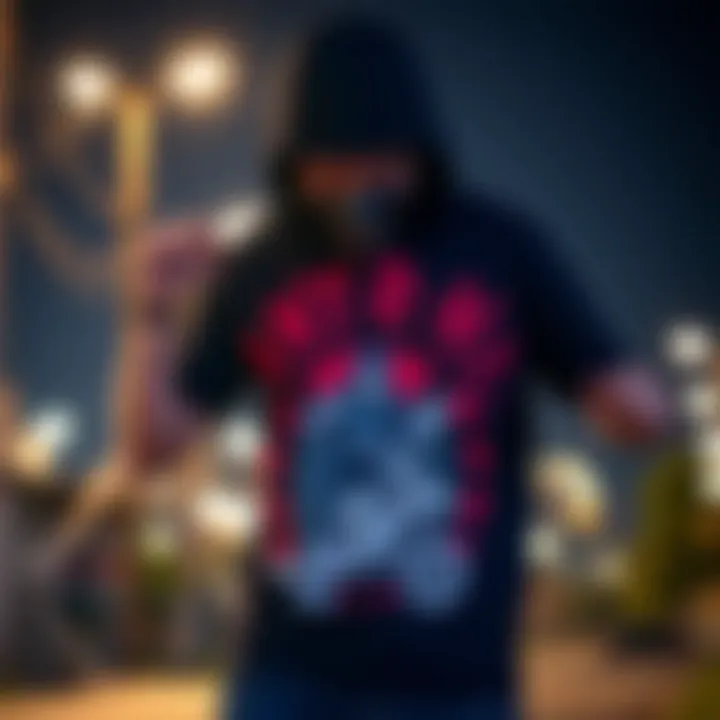
The anti-hero t-shirt isn’t merely a piece of fabric tossed onto the body. In the world of skate culture, it’s a canvas that boldly expresses individuality and rebellion. Stitched into its patterns and designs are stories of skaters who refuse to conform to societal expectations. From urban streets to skateparks, these shirts don’t just speak; they roar.
For skateboarders and their fans, the anti-hero t-shirt encapsulates a counterculture ethos. It represents a break from the ordinary, a symbol of personal defiance and a badge worn with pride in the face of adversity. As we journey through the narrative of the anti-hero t-shirt, we’ll uncover its intricate connection with skateboarding and how it mirrors the attitudes and values of the community.
The Birth of the Anti-Hero T-Shirt
Originating as a rebellion against mainstream fashion, the anti-hero t-shirt has roots deeply embedded in skate culture. Skateboarders have always sought ways to differentiate themselves from the crowd; they concocted styles and attitudes that were their own.
- Rebellion: Skaters often use clothing to assert independence. The anti-hero t-shirt became a method for expressing dissent against the established norms.
- Identity: Unlike generic apparel, this t-shirt invites wearers to showcase personal style. Each design unveils a hint of one's personality or interest.
“Fashion is part of the skate culture. What we wear speaks volumes about who we are.” - Anonymous Skater
Design Elements
The designs of these t-shirts play a significant role in their appeal. Graphic prints, intricate artwork, and the choice of colors can resonate deeply with the skate community. For instance, designs often feature:
- Bold Graphics: Images that provoke thought or stir emotions. These visuals cement the identity of the skater.
- Unique Typography: Fonts that scream individuality, often hand-drawn or custom.
The art behind the anti-hero t-shirt isn’t just decoration. It tells tales of the skater’s journey, victories, and struggles.
Symbolic Representation
The anti-hero t-shirt serves as a profound symbol in the skateboarding realm. It communicates not just affiliation with a community but also conveys an attitude toward life. The themes embodied by these shirts often reflect:
- Defiance: An embodiment of rebellion against norms.
- Individuality: Celebrating uniqueness among skate enthusiasts.
When a skater slips on an anti-hero t-shirt, they aren’t just covering their body; they are donning an emblem of their beliefs and lifestyle.
Brand Influence
Several brands have made their mark in the evolution of the anti-hero t-shirt. These brands build not only clothing but a culture that resonates with passionate skaters. Notable mentions include:
- Anti-Hero Skateboards: Known for their raw aesthetic and powerful messaging.
- Thrasher: Their iconic flame logo spread like wildfire through the skate community, making it a staple in wardrobe choices.
The intersection of branding with skate culture highlights how these t-shirts function as more than fashion; they are statements and part of the identity built around skateboarding.
Finale
As we dissect the threads of the anti-hero t-shirt, it becomes clear that its impact goes beyond mere fashion. It illustrates the vibrant tapestry of skate culture, for through it flows a sense of belonging, rebellion, and self-expression. For skateboarders, parents, and retailers alike, understanding this apparel's significance is crucial in appreciating the skate culture's essence. As trends evolve, the anti-hero t-shirt will continue to stand as a testament to the innovative spirit and individuality inherent in skateboarding.
For further insights into skate culture, consider checking out resources on Britannica, or engaging in discussions on Reddit.
Preamble to Anti-Hero T-Shirts
The Anti-Hero T-shirt stands as a cornerstone in the world of skate culture, encapsulating the essence of a subculture that celebrates individuality and rebellion. Its importance extends beyond mere fabric and print; it is a statement piece that threads together the stories, experiences, and shared values of skateboarders across generations.
Definition and Context
An Anti-Hero T-shirt is more than just a piece of clothing; it symbolizes a lifestyle that embraces the ethos of being an outlier. These shirts often feature bold graphics and messages that resonate with the anti-establishment sentiments prevalent in skate culture. They challenge societal norms and provide a voice for those who feel they don’t fit into traditional molds. When someone wears an Anti-Hero T-shirt, they're not just making a fashion statement; they’re announcing their allegiance to a way of life that promotes authenticity.
Historical Background
The roots of the Anti-Hero T-shirt can be traced back to the late 20th century, a time when skateboarding evolved from fringe to mainstream. The term "anti-hero" itself is steeped in literature and film, often ascribed to characters who defy societal expectations. In skateboarding, this translated into a visual style that rebels against the polished aesthetic of other sports. Brands like Anti-Hero Skateboards emerged, influencing the design and cultural significance of T-shirts. The designs often feature edgy, humorous graphics that evoke a sense of irony and rebellion, aligning perfectly with the skateboarder’s philosophy.
From the grungy streets of San Francisco to the sunny skate parks of Los Angeles, these T-shirts became a canvas for self-expression among skateboarders. They chronicled the lifestyle, reflecting the raw and unfiltered experiences of those who embrace the skate culture.
"T-shirts are like billboards for who we are; they tell our stories without us having to say a word."
In essence, the Anti-Hero T-shirt is a testament to the evolution of skate culture, representing not just a shift in fashion but a deeper transformation in societal attitudes towards freedom of expression.
The Role of T-Shirts in Skate Culture
T-shirts aren't just fabric stitched together; they're like a canvas, displaying the story of skateboarding culture. The role of t-shirts, particularly anti-hero t-shirts, transcends mere clothing. It reflects the spirit, the rebellion, and the identity of those who ride the boards. These garments serve as both a practical item and a powerful means of self-expression within the skate community.
Cultural Significance
The anti-hero t-shirt embodies what it means to skate. It often showcases graphic designs that carry deeper meanings, drawing from various influences like punk rock and street art. These t-shirts become a voice for frustrations, freedoms, and the essence of counter-culture. When sporting an anti-hero tee, a skateboarder isn't just wearing a shirt, they’re broadcasting an ethos. Each design can hint at personal narratives or broader societal views.
The designs are frequently bold and unapologetic. For example, graphics might feature a skull or a rebellious slogan, hinting at a form of defiance against societal norms. Visually striking, these t-shirts act as touchstones for camaraderie among skateboarders. They allow wearers to identify with others who share similar views or vibes.
"A t-shirt speaks before you even say a word. It’s a badge of honor, a shout-out to the world about what you stand for."
Furthermore, skate culture thrives on the tenet that its members are outsiders. T-shirts provide individuals within this community a way to assert this outsider status. They often become conversation starters or even a form of protest against mainstream fashion. In its core, the anti-hero t-shirt mirrors the skate lifestyle where individuality reigns supreme.
Identity and Community
Within the skateboarding universe, identity often overlaps with community. T-shirts help build this communal spirit. Wearing the same design as fellow skaters creates a sense of belonging. It’s like being part of an unspoken club where everyone understands the shared language of the graphics worn.
Moreover, for many, the anti-hero t-shirt evolves into more than just apparel; it becomes a part of their identity. For instance, a skateboarder new to the sport might wear a classic anti-hero shirt spotted in local shops to fit in with more experienced peers. It’s a way of saying, "I am part of this world."
This connection extends beyond the skate park. Social media platforms like Instagram and TikTok are flooded with images of individuals flaunting their anti-hero t-shirts. It’s common to see skateboarders revealing their latest rides alongside their favorite tees. The visual nature of social media amplifies this communal experience, offering a snapshot of lifestyle and identity. In essence, these t-shirts become symbols of shared interests and values in a vast world.
Design Elements of Anti-Hero T-Shirts
Understanding the specific design elements of Anti-Hero T-shirts is crucial for grasping their profound connection to skate culture. These shirts don't just serve as casual wear; they act as symbols wrapped in graphics, color, and fabric. Collectively, these factors play a significant role in representing the ethos of skateboarding.
Graphic Design and Artwork
The graphics on Anti-Hero T-shirts are often raw and edgy, much like the sport itself. Whether it's bold typography or unconventional illustrations, these designs often mirror the spirit of defiance and individuality that skate culture embodies.
For example, one common design choice is incorporating cartoons or figures that depict characters in absurd situations, sometimes hinting at a darker humor. This is not merely for aesthetic pleasure; it serves a greater purpose. These designs encourage skateboarders to break away from societal norms and embrace their own identities. Many brands have taken to using imagery that reflects urban environments, thus anchoring the skateboarder’s journey in the streets they ride.
Here’s a sophisticated touch:
- Layered textures entice touch as well as sight, making the shirts more inviting.
- Stencil art often pops up, echoing the DIY nature of the skate community. This stylistic choice celebrates creativity over conformity, allowing for a unique expression in every piece.
Because the graphic designs are often controversial or thought-provoking, they foster conversations among peers, adding depth to casual interactions. This engagement helps solidify a sense of community among skateboarders who share similar values.
Color Schemes and Fabric Choices
Color in Anti-Hero T-shirts plays a vital role as well, choosing schemes that resonate with the punk and skate aesthetic. Earthy tones, gritty blacks, and striking contrasts are prevalent, often reflecting the urban landscape's color palette. It’s no coincidence that you often find these shirts in subdued shades like olive, rust, and charcoal; they harmonize with the rough textures of skate parks and city streets.
When examining fabric choices, skateboarders typically favor durable materials such as cotton blends that withstand wear and tear. Comfort is king, considering that skateboarders might be in constant motion, pushing limits and engaging in tricks. A lightweight fabric with good breathability, like a cotton-polyester mix, facilitates movement while ensuring the wearer remains cool. More so, one can't overlook the significance of fabric sustainability in today's culture; many brands begin investing in eco-friendly materials to appeal to an increasingly conscientious audience.
To wrap it up:
- Durability ensures the shirts last through countless skates and washes.
- Breathability affects the user experience directly during physical exertion.
- Sustainability is becoming a crucial consideration for modern consumers.
Ultimately, design elements in Anti-Hero T-shirts reflect a blend of culture, identity, and practicality—each choice reinforcing the overall community’s values and lifestyles. They stand as wearable art pieces, intertwining graphic narratives with everyday wear, creating garments that mean more than mere fashion.
Brands Influencing the Anti-Hero Aesthetic
Skate culture is a dynamic and ever-evolving tapestry of styles, expressions, and philosophies. At the heart of this culture lie brands that not only influence the fashion landscape but also mirror the underlying ethos of rebellion and individuality. The Anti-Hero t-shirt, often regarded as the unofficial uniform of skaters, has been shaped significantly by these brands. This section explores how specific companies have risen to prominence, pushing the aesthetic envelope while rooting their designs in the core values of the skate community.
Key Players in Skateboarding Apparel
When discussing the brands that have molded the Anti-Hero aesthetic, one can’t ignore the giants like Thrasher, Santa Cruz, and Element. These brands have played a pivotal role in changing the perception of skateboarding from a fringe activity to a revered art form.
- Thrasher: Beyond being a magazine, Thrasher has created a visual language that resonates with the skateboarding lifestyle. The iconic flame logo, praised for its rawness, speaks of intensity and passion. Surfers often say, "No pain, no gain," and that’s the ethos that Thrasher encapsulates.
- Santa Cruz: Known for its vibrant graphics, Santa Cruz is often seen as the playful counterpart to the rawness of other brands. Their t-shirts are bold, colorful, and full of life—perfect symbols of the skater's spirit. They have a knack for blending artistry with skateboarding heritage.
- Element: Element brings a touch of nature into the skate aesthetic. Their designs often incorporate themes inspired by the earth, aligning with a lifestyle choice that many skaters embrace. By promoting sustainable practices in their apparel, Element appeals to skaters who cherish authenticity, saying, "You ride, you respect."
These key players not only set trends but also create a sense of camaraderie among skaters. It's common to see groups of skaters in matching tees from one of these brands, signifying belonging and shared values. This connection transcends mere fashion—it’s a testament to the unity found in the diversity within skate culture.
Emerging Brands and Trends
In the kaleidoscopic world of skate fashion, new players continually emerge, each adding their unique flavor to the Anti-Hero narrative. Brands such as Polar Skate Co., Baker, and Welcome Skateboards have recently gained traction, capturing the essence of contemporary street culture.
- Polar Skate Co.: This brand is known for its minimalistic and sometimes quirky designs, resonating with the modern skater’s aesthetic. Their approach often blurs the lines between skateboarding and fine art, making each piece not just a t-shirt but a canvas.
- Baker: With its roots in DIY punk culture, Baker embodies a rebellious yet inclusive attitude. Their graphics often reflect social commentary, acting as a mirror to the current state of the world.
- Welcome Skateboards: Emphasizing creativity and individualism, Welcome has gained a reputation for its unique graphics and acceptance of all skaters, regardless of skill level. They attract those who subscribe to the idea that skating is for everyone.
With technology making it easier than ever for small brands to thrive, there’s an increasing number of collaborations between these emerging entities and the key players. Limited runs and exclusive drops create a buzz, often leading to a sense of urgency among consumers. Skaters feel they need to act fast, saying things like, "Get it while it’s hot!"
The blend of established brands with new artists keeps the skate fashion movement alive and thriving, ensuring that those who wear Anti-Hero t-shirts are not just expressing a style, but embodying a lifestyle.
In summary, the landscape of skateboarding apparel is rich with brands that influence the aesthetic and the cultural narrative of the Anti-Hero t-shirt. The work of both historical players and fresh faces not only punctuates the evolution of skate fashion but also nurtures the communal spirit inherent in skate culture.

Evolving Trends in Anti-Hero T-Shirt Fashion
In the continuously shifting landscape of skate culture, anti-hero t-shirts stand as a beacon of both personal expression and community affiliation. As styles evolve, the designs on these shirts have come to reflect not only the wearers’ personalities but also the broader trends encapsulating the skateboarding movement. The importance of understanding these evolving trends cannot be understated; they reveal insights into the values and aspirations of skateboarders today.
Streetwear Influence
Streetwear has had a seismic impact on the fashion choices of skateboarders, and anti-hero t-shirts are no exception. Drawing heavily from urban aesthetics, the designs often integrate graffiti-like artwork, bold graphics, and stylized typography that resonate with both the skate and streetwear communities. This crossover has enabled skateboarders to present their style in unexpectedly versatile ways, allowing anti-hero t-shirts to be worn not only on the skate ramp but also in casual outings or urban gatherings.
The marriage of skate culture with streetwear reflects a broader cultural narrative:
- Authenticity: Emphasizing genuine artistic expressions instead of mass-produced garments.
- Collaboration: Streetwear brands regularly collaborate with skate icons, resulting in unique graphic designs that may never be replicated. This limited availability elevates the desirability of such t-shirts.
- Accessibility: The blending of styles has led to a wider acceptance of anti-hero t-shirts beyond the skate community. Now, you can see them in youth culture, music festivals, and other circles, amplifying their relevance.
As the streetwear trend shifts, so do the aesthetics of anti-hero t-shirts, ensuring that they remain a staple in skate culture with a modern twist.
Collaborations and Limited Editions
Collaborations have become the bread and butter of fashion within the skate world. When brands partner with well-known artists, musicians, or even fellow skate legends to release limited edition t-shirts, the results can be nothing short of spectacular. These partnerships not only produce wearable art but also foster a sense of exclusivity and urgency among fans and consumers, compelling them to snap up these special items at lightning speed.
- Limited Releases: Skate brands often capitalize on hype by issuing limited releases. A well-timed drop can generate buzz in both the skate and fashion communities, capturing the attention of influencers and collectors alike.
- Cultural Commentary: Collaborations often encapsulate current social issues, reflecting the views of skateboarders who tend to be more outspoken on aspects such as environmentalism or social justice. This means wearing an anti-hero t-shirt is more than just a stylistic choice; it can also signify solidarity with various movements.
- Community Involvement: Some collaborations give back to the community. For example, profits from select t-shirts might support local skate parks or charities, creating a circle of positivity that resonates deeply with skateboard enthusiasts.
As these trends evolve, they maintain the anti-hero ethos of rebellion and individuality, ensuring that each t-shirt tells a story of its own while serving as a canvas for creativity and message.
"Skateboarding is not just a sport; it's a lifestyle that permeates through all forms of expression, and the design of anti-hero t-shirts speaks volumes about who we are."
Understanding these trends allows brands, fans, and newcomers to skate culture to engage with it more meaningfully, aligning their choices with the dynamic spirit of the community.
For further details and insights into streetwear and skate brand collaborations, visit Wikipedia on Streetwear and Britannica on Skateboarding for broader contexts.
Consumer Preferences and Buying Habits
Understanding consumer preferences and buying habits is critical to grasping the pulse of the skate culture revolving around the anti-hero t-shirt. This particular garment embodies more than just style; it's a statement steeped in identity and personal expression for skateboarders. If you’re involved in this scene, you know that choices reflect values, and that has ripple effects throughout the community.
Shifts in what people prefer often arise from various motivators—social influence, trends, and lifestyle are just a few. For instance, skateboarders tend to gravitate towards brands that resonate with their experiences. They appreciate authenticity, which holds more sway than mere flashy marketing. When someone opts for a t-shirt with a classic Anti-Hero graphic, they’re not just making a fashion choice; they’re signaling allegiance to a way of life. This fosters a sense of belonging among fellow boarders who view that shirt as part of their shared culture.
Market Research Insights
Recent studies indicate a growing trend towards brands that prioritize individuality and unique graphic art, especially in the skateboarding domain. Surveys reveal that many consumers spend time researching before making a purchase, often seeking distinctive designs that resonate with their personalities. According to Skateboarder's Journal, over 67% of respondents felt that the storytelling in a t-shirt design significantly influenced their buying decision.
- Key Factors Influencing Purchases:
- Brand Authenticity: Consumers appreciate brands that represent genuine skate culture.
- Design: Unique graphics and stories behind them can sway preferences significantly.
- Peer Influence: Friends and local skate shops play a huge role in shaping what’s popular.
Moreover, the use of social media platforms like Instagram and Pinterest provides inspiration while fostering community engagement. The more appealing a design is, the more it gets shared, which amplifies visibility and desirability. Understanding these dynamics is key to staying relevant in today’s marketplace.
Sustainability Considerations
In recent years, sustainability has crept into the consciousness of many consumers, especially the younger crowd who often set the trends in skateboarding. The awareness surrounding environmentally friendly practices is on the rise, and it’s influencing purchasing habits.
More consumers are leaning towards brands that showcase commitment to sustainable materials and ethical manufacturing processes. For instance, companies like Patagonia have started to gain traction among skateboarders for their dedication to using organic cotton and recycled materials in their product lines. When presented with a choice, many prefer a t-shirt that embodies both personal style and environmental consciousness.
- Sustainable Preferences:
- Materials: Organic cotton, hemp, and recycled fabrics tend to be favored choices.
- Production Ethics: Transparency in manufacturing processes resonates.
- Longevity: Consumers are looking for durability over fast fashion, favoring quality rather than volume.
While personal expression through style remains paramount, modern skateboarders increasingly want that expression to come without tarnishing the planet. It's a balancing act that brands must navigate carefully, as aligning with these values can be a significant differentiator in a crowded market.
“Skateboarding is about self-expression. But now, it’s also about making choices that reflect a broader understanding of our environment.”
By recognizing these consumer preferences and adapting accordingly, brands can better connect with devoted skateboarders, creating a community rooted in authenticity, sustainability, and style.
The Symbolism of the Anti-Hero
Within the world of skate culture, the anti-hero embodies a deeper narrative that transcends mere fashion. This symbolism speaks to notions of freedom, noncompliance, and unfiltered self-expression. When you don an anti-hero t-shirt, you aren't just wearing a piece of fabric; you’re wrapping yourself in a movement that challenges norms and celebrates individuality. Through this lens, the anti-hero emerges as a powerful metaphor for the skateboarder’s journey—often marked by defiance and rebellion against societal expectations.
Rebellion and Nonconformity
The anti-hero t-shirt stands as a symbol of defiance. Skateboarding itself is grounded in rebellion, from its beginnings in California's surf culture to its current global status. The aesthetic of the anti-hero aligns closely with this history. The imagery and messages displayed often poke fun at authority or highlight the absurdities of mainstream culture. Young skaters proudly wear their anti-hero shirts to signal their rejection of conformity, embracing a style that boldly illustrates their discontent. This is not just an act of rebellion; it's a declaration of identity.
For example, many graphics feature elements of street art, punk ethos, or even satirical commentary about social issues. Each design tells a story, depicting a struggle or an attitude that resonates with those who walk a different path. The choice of wearing one can be likened to raising a flag in the face of tradition.
- Key Aspects of Rebellion:
- Subversive Designs: Many t-shirts challenge the status quo with edgy graphics or slogans.
- Cultural Commentary: They often reflect current social or political issues, serving as a voice for the voiceless.
- Defying Norms: The nonconformity in style and attitude invites wearers to celebrate their uniqueness.
"Clothes are a form of self-expression; for skateboarders, the anti-hero t-shirt is a battle standard against societal norms."
Personal Expression
Personal expression in skate culture reaches far beyond tricks on a board. The anti-hero t-shirt serves as a canvas for self-representation, allowing wearers to showcase their values, interests, and personalities. Just as a skater might modify their board, customizing this aspect of their wardrobe feels equally significant. Each shirt, with its distinct graphic and color mix, resonates with an individual’s sense of style and perspective.
The choice of an anti-hero shirt can signal affiliations with certain skate crews, brands, or social circles. For many, it's a way to affirm belonging within a community while still holding onto their individuality. In this space, you may find a teenager wearing an oversized T-shirt with a rebellious message proudly walking alongside a seasoned skater sporting a vintage design. The combination showcases generations of skate culture while celebrating its evolution.
- Elements of Personal Expression Include:
- Unique Graphics: Personalized designs allow individuals to convey personal stories or life experiences.
- Brand Loyalty: Wearing a particular brand can indicate one’s preferences and connections within the skate community.
- Mixing Styles: Many skaters mix their attire, pairing anti-hero tees with various pants and accessories, creating a unique look that stands out.
The Anti-Hero T-Shirt in Popular Media
The visibility of anti-hero t-shirts in popular media amplifies their significance far beyond tight-knit skate communities. These t-shirts aren’t just wardrobe staples; they are symbolic artifacts that tell a story. From the rugged character illustrations that hit screens in films to the trendy influencers showcasing them on social platforms, the connection between these shirts and the anti-hero narrative runs deep. The merging of skate culture and mainstream media allows for a richer cultural dialogue, breathing new life into the identity of skateboarders and their apparel choices.
Influences in Film and Television
Movies and television shows have long had a profound effect on fashion trends, and anti-hero t-shirts are no exception. Consider classic films that revolve around youth rebellion or underground movements—think about how “The Lords of Dogtown” captures the essence of skate culture, and the anti-hero graphics worn by its characters symbolize a break from societal norms.
These portrayals often highlight how skateboarding isn't just a sport but a lifestyle, thus propagating the anti-hero ethos. Iconic scenes where protagonists don these shirts showcase both their defiance and individuality. Viewers see how clothing choices correlate with character development, effectively embedding the anti-hero t-shirt into the cultural narrative.
Notable examples include:
- “Dazed and Confused” featuring characters in casual skate attire, creating an unmistakable link between the film's rebellious spirit and anti-hero imagery.
- “Lords of Dogtown”, which not only showcases skateboarding but also immortalizes the look of the era, cementing the anti-hero aesthetic in its heart.
Such films serve as a visual commentary on skate culture, making it relatable for audiences beyond the sport itself.
The Role in Social Media Fashion
In today’s digital age, the influence of social media cannot be overstated, especially when it comes to fashion. Platforms like Instagram and TikTok are teeming with skateboarding content and streetwear enthusiasts donning their favorite anti-hero t-shirts. The images and videos posted don't just sell apparel; they propagate culture, identity, and solidarity among skateboarders and fans alike.
Unlike traditional advertising, where brands dictate trends, social media allows for grassroots movements where the community influences the dialogue. When a well-known skate influencer shares a picture in a limited edition anti-hero t-shirt, it creates a ripple effect, with fans eager to replicate the look.
Key factors driving this trend include:
- Visibility: The reach of social media platforms allows designs and messages to be shared widely in a matter of moments.
- Engagement: Users are not just passive viewers; they actively participate by sharing their versions, further embedding the anti-hero narrative into daily life.
- Collaboration: Brands tapping into social media culture often partner with influencers, creating a buzz that traditional marketing strategies would struggle to achieve.
This relationship between social media and anti-hero t-shirts reflects how they serve not merely as clothing but as a vehicle for personal and collective expression in the modern world.
“In the world of fashion, trends may fade, but the cultural connection remains—especially for those who wear their rebellion on their sleeves.”
Through films, television, and the ever-evolving landscape of social media, the anti-hero t-shirt continues to thrive, intertwining itself with the narratives that shape skate culture.
Closure: The Lasting Impact of Anti-Hero T-Shirts
As we wrap up the exploration of anti-hero t-shirts, it becomes clear that their influence on skate culture is nothing short of profound. These t-shirts epitomize more than just a piece of clothing; they symbolize the spirit of rebellion, individuality, and community inherent in the skateboarding lifestyle. As skate culture continues to evolve, the anti-hero t-shirt remains a staple, reflecting the values of those who wear it.
Enduring Appeal
The enduring appeal of the anti-hero t-shirt can be attributed to various factors. First and foremost, its aesthetic often acts as a canvas for artistic expression. The graphic design often incorporates edgy visuals and vibrant colors that resonate with skateboarders who wish to stand out from the mainstream crowd. The unique designs, ranging from abstract art to playful yet rebellious graphics, serve as an extension of the wearer's personality.
Additionally, the comfort and practicality of these shirts in active wear further bolster their popularity. Many skateboarders appreciate that the fabric is durable enough to withstand the rigors of skateboarding, while still maintaining a fashionable appearance when they hit the streets or head to a skate park.
Moreover, the anti-hero t-shirt fosters a sense of belonging within the skate community. It allows individuals to connect with others who hold similar beliefs and passions. At various meetups, contests, or local skate events, you can spot groups dressed in similar tees, serving as walking billboards of their shared identity.
In essence, the anti-hero t-shirt is timeless, a testament to a culture that values authenticity over conformity. It has the ability to adapt to changing styles and trends while holding on to its roots of defiance.
Future Directions in Skate Apparel
Looking forward, the future of skate apparel, particularly the anti-hero t-shirt, is poised for exciting developments. There's a growing consciousness around sustainability in fashion, and skate brands are stepping up. Innovation lies ahead as manufacturers explore eco-friendly fabrics and ethical production methods. Skateboarders are increasingly aware of the environmental impact of their belongings.
Collaborations with well-known artists and designers are likely to emerge more frequently. These partnerships can inject new life into traditional graphics, bringing unique interpretations of what it means to be an anti-hero.
As digital culture continues to thrive, expect to see tech-integrated apparel. Think t-shirts that showcase digital art through augmented reality or those that promote engagement on social media platforms. There's potential for t-shirts with embedded QR codes leading to exclusive content or experiences.
Lastly, as the skateboarding demographic diversifies, there will likely be a push for designs that reflect a broader spectrum of identities and experiences. The narrative around anti-heroes may evolve to include more diverse perspectives.
The anti-hero t-shirt will remain a canvas of cultural dialogue that speaks to the heart of skate culture. Its evolution will be influenced by the very community that sustains it, ensuring that it remains relevant, resonant, and rebellious, as it has always been.