Beanies in Skateboarding: Culture and Style Evolution
Intro
Beanies are more than just a practical item to keep one’s head warm; they represent a piece of culture, especially in skateboarding circles. Over the years, these woolen caps have weaved their way into the very fabric of skateboarding, embodying both style and identity. It’s fascinating how something as simple as a beanie can hold so much meaning and significance for skateboarders, enthusiasts, and even retailers.
In this piece, we'll peel back the layers of beanie culture within skateboarding, looking at its evolution, its role in shaping personal expression, and the various styles that have emerged. Let's dive into how this seemingly modest accessory has influenced not just fashion, but also how riders see themselves in the broader community.
The Evolution of the Beanie in Skateboarding
From its humble beginnings to becoming a staple in skateboard fashion, the journey of the beanie is quite captivating. In the early days of skateboarding, the beanie was primarily a tool for warmth, shielding riders from the chill of early morning sessions. However, as the sport gained traction, so did the fashion surrounding it. The beanie evolved from a necessity to an emblem of style.
The Iconic Skate Style
The beanie quickly became an essential part of the skate wardrobe. Riders began to embrace various styles, from slouchy fits to fitted versions, often showcasing their personality through colors and patterns. Each style carried distinct vibes—some thrived on the laid-back surfer aesthetic, while others leaned into a punk rock influence.
"The beanie is more than just a piece of fabric on your head; it’s a statement of who you are in the skate scene."
Styles and Materials
The materials used in beanie construction also vary significantly. Wool and acrylic remain popular choices, offering warmth and comfort. Cotton blends give a lighter feel, perfect for warmer weather or casual wear. The variety doesn’t stop there; graphic designs, stitched logos, and handmade patterns ensure that there’s a perfect beanie for every skater.
From Practical to Trendy
In the current landscape, the beanie has transformed into a canvas for self-expression. The range of choices available today directly reflects evolving skate culture. Be it an oversized knit piece from a local shop or a high-end branded item, skateboarders choose their beanies not merely for warmth but as part of their identity. It cultivates a sense of belonging, and this shared fashion moment can often spark conversations and connections.
The Role of Beanies in Skateboarding Identity
As skateboarding continues to grow, the intersection with fashion hasn't gone unnoticed. The beanie stands as a symbol of rebellion and independence. Wearing one signals membership in a community that values originality and creativity.
Personal Expression
In a world where individuality speaks volumes, the beanie accommodates diverse styles while also functioning as a bridge within the culture. Skateboarders often use beanies to express their tastes—whether they lean toward minimalist look, bold prints, or even slogans that resonate with their lifestyles.
Closure
Beanie culture in skateboarding is reflective of broader trends and personal narratives that shape our experiences. This seemingly simple accessory has transcended its original function, becoming a pivotal part of identity in the skateboarding community. Whether you're a seasoned rider, a newbie, or a retailer looking to cater to this market, understanding the nuances of beanie culture is essential. Depending on styles, materials, and personal aesthetics, each beanie tells a story worth acknowledging.
By appreciating the evolution and significance of the beanie, we gain insights into the culture itself—a blend of form, function, and personal expression, making it an indispensable part of skateboarding today.
For more insights on skateboarding and fashion evolution, check out these links related to this culture: Wikipedia on Skateboarding, Reddit Skateboarding Community, or articles on Britannica.
Foreword to Beanies in Skateboarding
Beanies have carved out a significant niche in the skateboarding world, transcending their basic function as mere headwear. In this article, we’ll explore how they became a staple in skate culture, reflecting not just styles but attitudes and communal ties among skateboarders. Understanding the relevance of beanies goes beyond fashion; it’s about recognizing a symbol of identity and community that has evolved over decades.
A Brief History of Beanies
The beanie’s journey in skateboarding began in the late 1970s. Originally associated more with warmth than with style, these caps made their first mark when skaters adopted them for protection against the chill of early morning or late evening sessions. As with many trends in skate culture, the adoption of beanies was driven by practicality. They were easy to wear, affordable, and offered a degree of safety in case of falls, providing some warmth during those chilly rides. Over time, as snowballed, a unique aesthetic formed around the beanie, intertwining it with skateboarding’s rebellious spirit.
By the 1980s, beanies were not just practical items; they also reflected the individuality of skaters. Different styles, colors, and logos began popping up, often tied to skate brands or famous pro skaters. The beanie evolved further during the grunge movement of the 1990s when it became a universal symbol of anti-establishment sentiments. Today, its history is rich with threads linked to various music genres, art movements, and skateboarding milestones.
The Cultural Significance of Beanies
Beanies symbolize more than just a functional piece of clothing in skateboarding culture; they are icons of personal expression and community. Wearing a beanie can convey a myriad of messages about one's identity, affiliations, and even aspirations within the skateboarding community. The colors and styles chosen reflect both individual personality and group dynamics, with certain designs aligning closely with specific skate cultures.
The beanie has transcended its utilitarian roots to become a canvas of individuality in the skate scene.
Moreover, the beanie acts as a uniting factor. Whether you’re at a local skatepark or a world-renowned competition, someone wearing a beanie can quickly become part of the same subculture. The cultural significance extends beyond just wearing; it is about belonging, about making a statement in a community that thrives on care-free attitudes, creativity, and collaboration. Thus, the beanie serves as both armor and aesthetic, becoming a crucial part of skateboarding’s ever-evolving narrative.
In summation, understanding beanie culture is essential for any skateboarder or enthusiast. It encapsulates the essence of skateboard identity, revealing how a simple piece of clothing can wield such transformative power in conveying the spirit and ethos of a vibrant community.
Essential Features of a Core Basic Beanie
Beanies are more than just an accessory in the skateboarding world; they’re a significant part of the overall culture. Understanding the essential features of a core basic beanie can greatly enhance a skateboarder’s experience, bringing together style, comfort, and functionality. Here, we’ll delve into what makes a beanie a staple piece in the wardrobe of skate enthusiasts.
Material Composition
One of the first things to consider in a beanie is the material from which it’s made. Cotton, wool, and acrylic are the common fabrics used, each offering distinct attributes.
- Cotton Beanies: These are great for warmer days or indoor skating, providing breathability. They absorb sweat but don’t often provide warmth in the colder months.
- Wool Beanies: Known for their warmth, wool offers a snug fit that’s perfect for chilly weather. The downside is they can be a bit itchy for some. However, the insulation it provides is unmatched, making it ideal for those cold morning sessions.
- Acrylic Beanies: These are a popular choice due to their affordability and versatility. They often mimic the warmth of wool without the itchiness, making them suitable for all seasons.

Choosing a beanie based on its material composition is crucial because it affects not just the wearer’s comfort but also the overall style. A well-made beanie stands the test of time, enduring both wear and washing.
Design Variations
Design variations in beanies cater to different tastes and preferences. From beanie cuts to graphics, the options are endless.
- Fit Types: Slouchy beanies offer a laid-back vibe, whereas tighter fits present a more polished look.
- Patterns and Prints: Skate brands often feature unique graphics, from bold logos to intricate designs. These allow skateboarders to express personal style.
- Brimmed Beanies: Some newer styles incorporate brims, giving a fresh twist on the traditional shape. These designs can combine the functionality of a hat with the casual cool of a beanie.
Personal preference plays a big role in choosing the right design; some prefer a classic, solid color, while others may go for a flashy, patterned piece that stands out at the skatepark.
Functionality and Comfort
When it comes to functionality and comfort, beanies are meant to perform as much as they are meant to please the eye. A well-fitted beanie can keep the head warm, secure hair out of the face, and add an element of edge to skater style.
- Moisture-Wicking Features: Some brands incorporate moisture-wicking properties into their fabrics, which draw sweat away from the scalp. This feature is often overlooked but is important for maintaining comfort during extended skating sessions.
- Security: A beanie that fits well will stay put even during the most aggressive tricks. Nothing’s worse than being distracted by a slipping beanie when trying to focus on a grind.
- Versatility: Whether pulled down all the way or slouched at the back, a beanie can adapt to different weather conditions and settings. This adaptability is why it's not uncommon to see skaters wearing them in both summer and winter.
"A beanie isn't just about keeping warm; it's a shield against the wind and a canvas for personal expression."
Selecting the right beanie goes beyond aesthetics; it’s about finding a piece that complements one's lifestyle as an active skateboarder. By understanding material composition, design variations, and functionality, skateboarders can make informed choices that align with their personal style and riding needs.
Beanies as a Fashion Statement
In the skateboarding world, beanies have transcended their original function as mere headwear. They have morphed into a bold fashion statement, melding utility with style. For skateboarders, each beanie is not just an accessory; it’s a canvas for personal expression. The subtle art of pairing beanies with skate gear promotes individuality, an essential characteristic of skateboarding culture.
Stylish Pairings with Skate Gear
The harmony between beanies and skate gear might seem effortless, but it requires some thought to stand out. A few popular pairings include:
- Black beanie and graphic tee: This classic combo complements various styles, allowing a standout graphic to shine, while the beanie adds an edgy touch.
- Chunky-knit beanie with high-waisted pants: This look strikes a balance between comfort and style. It keeps the skater warm during chilly nights while remaining trendy.
- Bold-colored beanie and neutral hoodie: This combo can turn heads without trying too hard. A bright beanie contrasts the subdued tones of a hoodie, making it an effective accent piece.
Other combinations might include layering beanies with denim jackets or oversized flannels, which creates a relaxed vibe. It’s crucial to recognize that the fit of the beanie plays a role here. An oversized beanie can give off a chill surfer vibe, while a snug-fit design might cater to a more urban, minimalist aesthetic.
The Influence of Pro Skaters
Pro skaters are the tastemakers in this scene, driving trends through their unique styles. Many professional skateboarders have adopted specific beanie styles that fans often emulate. For instance, the distinct beanies worn by Tony Hawk or Nyjah Huston have generated waves in the market. Their influence extends beyond technique; it seeps into everyday fashion choices.
Beanies with logos or tribute designs not only showcase loyalty to a brand but also serve as a badge of identity within skate culture. When an up-and-coming skater wears a beanie endorsed by a well-known pro, it's almost like wearing an emblem of their aspirations.
"The beanie is more than just fabric; it’s a point of connection within the skate community. It bridges gaps across various styles while paying homage to icons who paved the way."
As the landscape of skateboarding evolves, beanies will likely remain a cornerstone of the culture. Their role isn’t solely about fashion; they represent a lifestyle and a statement that every skater carries with them. Thus, the beanie becomes a fundamental expression of individual style and belonging in a community that values both authenticity and creativity.
The interplay between stylish pairings and the influence from pro skaters shapes the way beanies evolve in skateboarding culture. Whether it’s a statement of rebellion or an emblem of solidarity, beanies remain integral to the informed skateboarder’s wardrobe.
Beanies and Identity in Skateboarding
Beanies have become an intrinsic part of skateboarding, serving not just as a practical piece of gear but also as a reflection of personal identity within the community. The simplicity of a beanie resonates deeply with skateboarders, as it is often worn both for warmth and as a canvas for self-expression. When one dons a beanie, it is more than just shielding from the cold; it is a statement about who they are and where they belong in this vibrant culture.
Through the choice of color, style, and design, a beanie can communicate a skateboarder’s individual taste and preferences. Individuals might select a classic black beanie for a minimalist vibe, while others might lean towards bold, outlandish designs to stand out in the crowd. The creative ways skateboarders customize or wear their beanies can reveal the complexity of their identities, including their influences and inspirations from music, art, or even other subcultures.
Personal Expression through Style
Wearing a beanie is an art in itself. Beyond mere aesthetics, it allows individuals to showcase their personality and artistic inclination. In the skateboarding world, style is king, and beanies play a crucial role in defining one’s style.
There are several ways in which beanies act as a tool for personal expression:
- Color Palette: Some skateboarders choose colors that reflect their mood or phase of life. For instance, a bright yellow beanie might signal a time of vibrance and positivity, while darker colors can portray a more serious persona.
- Patterns and Textures: The variety of fabrics—corduroy, wool, or knitted—offers distinct visual textures and warmth levels. A chunky knitted beanie can exude a casual, laid-back vibe, while a sleek, fitted beanie conveys a more polished look.
- Graphics and Art: Many brands or individual skaters use their beanies to feature graphics or logos that speak to their favorite skate brands or personal artwork. This creates not only a style indicator but also a subtle nod to their influences.
In this sense, a beanie is not just a hat, but a cultural emblem, intertwining style with identity—a silent language of boldness and flair seen in every trick landed and every rail grinded.
Subcultures within Skateboarding
Skateboarding itself encompasses a range of subcultures, each with their distinct traits, styles, and attitudes. Beanies have managed to infiltrate various elements of these groups, adapting and evolving as part of their identities.
Different subcultures may adopt varying styles of beanies, highlighting their diverse influences:
- Street Skaters: Often sport simple, unembellished beanies. The idea is to remain unobtrusive yet functional, allowing the focus to be on their skating rather than fashion.
- Vert Skaters: This subculture might gravitate towards brighter colors or more branded styles, showcasing their affiliation with specific skate brands or even sponsors, illustrating that they embrace being in the limelight.
- Longboarders: Aimed towards a laid-back, relaxed style, longboarders might opt for slouchy beanies, evoking a chill beach vibe. This leisurely aesthetic can also speak to their approach to skating, prioritizing enjoyment over competition.
- Art and Music Influences: Some skateboarders draw inspiration from genres like punk, hip-hop, or indie, often opting for stylized beanies that lean into these cultural aspects, showcasing logos or patterns that echo their musical preferences.
"In the end, the beanie is not just a stylish accessory for skateboarders; it's a badge of honor, a testament to one’s journey within the multifaceted worlds of skate and subculture."
Ultimately, the beanie's role in skateboarding is far more than that of a mere accessory. It reflects the ethos of the community, allowing each rider to articulate their identity while remaining part of a larger, collective culture. With the beanie as a medium, personal expression and subcultural identity coexist, making this simple piece of clothing a true embodiment of the skateboard experience.
Selecting the Right Beanie for Your Style
Choosing the perfect beanie is no trivial matter; it's part of the larger canvas that paints your identity in the skateboarding world. Your beanie does not merely serve as a cozy accessory; it's a statement. It tells others who you are or at least what you vibe with. So, let's break down some key considerations that’ll help you find that ideal piece that not only fits snugly on your head but also aligns with your personal style.
Considerations for Fit
When it comes to beanies, fit is king. A beanie that’s too tight can leave you feeling as though you’re stuck in a vice, while one that’s too loose might have you chasing it back down your forehead every time a gust of wind sneaks up.
- Head Size Matters: Start by measuring your head. Use a flexible measuring tape or a piece of string. If you're unsure about your size, the standard size for most adult heads runs between 20-24 inches.
- Beanie Styles: Different styles come with different fits. For instance, a classic cuffed beanie often sits lower on the head, giving a snug fit. In contrast, slouchy beanies provide more room and an effortless look. They often have extra material at the back, allowing a relaxed drape.
- Material Concerns: Ever worn a beanie made from itchy wool? It’s not pleasant! Look for beanies made from soft acrylic blends or natural fibers that’ll keep your dome comfy during those long skating sessions.
To make the perfect choice, don’t hesitate to try on a few options or, if ordering online, check individual size charts of brands.
Choosing Colors and Patterns
Once you’ve nailed down the fit, it’s time to get artsy with your selection of colors and patterns. Your beanie is an extension of your personality, and in skate culture, it can also reflect your crew or scene.
- Solid vs. Patterned: A solid red or black beanie is a versatile choice, easily matched with a vast array of outfits. However, if you want to stand out, opt for bold patterns, like plaids or stripes, which can convey a more playful vibe.
- Seasonal Colors: Depending on the time of year, colors can signal different moods or styles. Spring and summer often lean towards brighter hues while deeper, earthy tones are favored come fall.
- Graphic Elements: Some brands offer beanies with logos or graphics related to skate culture. A beanie adorned with the emblem of your favorite skate brand can not only show your affiliation but can also serve as a conversation starter among fellow skaters.
A good beanie doesn’t just complete your outfit; it helps shape your skateboard journey. Don’t be afraid to express yourself with choice because the right beanie marries comfort and style effortlessly.
Final Thoughts
In the world of skating, your beanie is more than an accessory; it’s a vital part of your personal expression. Selecting the right beanie involves careful consideration of fit, materials, colors, and patterns. Take your time, consider your options, and don’t shy away from trying out a few different styles until you find one that feels just right. As the saying goes, "when in doubt, go with your gut"—your personal style should always shine through.
Caring for Your Beanie
Caring for your beanie is just as crucial as picking the right one, especially if you want it to reflect your unique style while lasting through the wear and tear of skateboarding life. A good beanie isn’t just a fashion accessory; it also serves as protection from chilly winds while you’re out riding your board. Moreover, proper care will ensure that your beanie maintains its shape, color, and overall appearance for a long time.
Washing and Maintenance
Keeping your beanie clean doesn’t need to feel like an uphill battle. Regular washing can prevent the buildup of odors and dirt from your skating sessions. However, it’s vital to wash it correctly to keep it looking sharp. Here are some straightforward steps and tips for washing your beanie effectively:
- Read the Care Label: This is your golden ticket. Different beanies are made of various materials, and the labels can tell you if it’s machine wash-friendly or if it needs to be washed by hand.
- Hand Wash: For many beanies, especially wool, it’s safer to hand wash. Use lukewarm water and a mild detergent. Gently agitate the beanie in the soapy water, then rinse thoroughly.
- Machine Wash: If your beanie is indeed machine washable, opt for a gentle cycle. Turn it inside out to minimize friction with other items. It’s best to place it in a mesh garment bag for added protection.
- Avoid Fabric Softener: This can cling to the fibers and alter the beanie's texture.
Drying
After washing, resist the urge to toss your beanie into the dryer. Instead, lay it flat on a clean towel and reshape it if necessary. Let it air dry away from direct sunlight, as excessive heat can warp its shape and fade its color.
"A well-kept beanie tells the story of thoughtful care, enhancing the skater's image in the community."
Storage Recommendations
Proper storage makes a world of difference in extending the lifespan of your beanie. You don’t want to toss it into a drawer and risk crushing it alongside other items. Here are some storage tips that keep your beanie in tip-top shape:
- Keep It Dry: Store your beanie in a dry place to prevent moisture buildup, which could lead to mold or an unpleasant smell.
- Avoid Direct Sunlight: Prolonged exposure to sunlight fades colors and could weaken the fibers.
- Use Hooks or Hangers: Hanging it can maintain its shape. Just ensure that whatever you hang it from won’t stretch it out.
- Avoid Crushing: If you must stack your beanies, make sure to put them atop softer items to prevent them from being squished.
- For more delicate beanies, consider using a scarf hanger.
Taking the time to care for your beanie properly allows it not only to stay looking fresh but also contributes to your overall skateboarding experience. Owning a beanie that holds up well against the odds can keep you looking sharp at the skate park or cruising down the street.
Current Trends in Beanie Wear
Beanies have come a long way since their humble beginnings as a simple accessory for warmth. In the skateboarding community, they have evolved into more than just a fashion item; they embody identity, culture, and personal expression. Recognizing current trends in beanie wear is crucial for understanding how they fit into the broader skate landscape, influencing both style and functionality. As skateboarders continue to push boundaries, their choice in headwear reflects their individuality and aligns with the latest styles.
Popular Styles in the Skate Community
In the ever-changing world of skateboarding, trends often shift like the wind, making it essential to stay tuned into what’s hot. Currently, several beanie styles are making waves in the skate community:
- The Classic Cuffed Beanie: This is the tried-and-true favorite among many skaters. Its snug fit ensures it stays in place while engaging in tricks. Plus, the cuff allows for easy adjustment, providing a personalized fit.
- Slouchy Beanies: These have emerged prominently. Their relaxed, oversized fit offers a laid-back appearance that resonates with many skaters. The slouch adds an element of casualness, making them perfect for post-skate hangouts.
- Beanies with Logos and Graphics: Brands like Thrasher and Palace have introduced beanies adorned with their iconic logos or unique graphics. This kind of personalization helps skaters express their brand loyalty and style preference, showcasing their affiliations within the skating community.
- Textured and Knit Variations: Lately, skaters are embracing unique textures, from cable knits to pom-poms on top. These add character and make a simple beanie stand out from the crowd.
The growing popularity of colors like earthy tones and pastels shows a shift away from monochrome aesthetics. Vibrant colors have become a symbol of individuality on the skate scene, where standing out is the name of the game.
Seasonal Variations
As the seasons change, so do beanie trends, adapting to meet the needs of both functionality and style. Here’s how seasonal variations play a role:
- Winter Styles: During colder months, thicker materials like wool or fleece tend to dominate. Skaters usually opt for snug-fitting beanies that keep warmth locked in, ensuring comfort on chilly days at the skate park. Darker colors may rule the winter scene, reflecting the somber mood of the season.
- Spring and Fall Styles: As temperatures fluctuate, lighter materials like cotton blends come into play. Here, beanies often take on a more vibrant character, showcasing bright colors and patterns that mirror the lively atmosphere of spring and fall.
- Summer Adaptations: While skating in summer heat, beanies aren’t as common, but lighter, breathable fabrics find a niche. Some skaters might wear them as a fashion statement, pairing them with shorts and T-shirts.
Seasonal transitions offer an opportunity to refresh one’s look, encouraging skateboarders to explore a diverse range of beanie styles and colors.

Understanding current trends in beanie wear not only enhances the aesthetic appeal of skateboarders but also plays a significant role in shaping their identity. This accessory has transformed over the years into a vital part of the skateboarding lifestyle, merging functionality with personal expression.
The Economic Impact of Beanies on Skateboarding Industry
Beanies are more than just an accessory hanging off the rack; they play a pivotal role in the economic framework of the skateboarding industry. The significance lies in their ability to influence consumer choices and contribute to brand identity, which in turn supports skate culture financially. In this age of niche markets, understanding the economic implications of beanies gives insight to retailers, skateboarders, and stakeholders alike on how to maximize this simple piece of headwear's potential.
Market Analysis
The beanie market in skateboarding has seen considerable growth, evolving from a simple winter accessory to a staple that represents authenticity and style among skateboarders. According to various industry reports, the global beanie market has been projected to grow at a rate of approximately 10% annually, driven largely by the rising popularity of skateboarding and streetwear culture.
- Consumer Demographics: Primarily, the core consumers fall between the age brackets of 15 to 35. This demographic is particularly responsive to fashion trends and brand collaborations, making them key players in the beanie market. Furthermore, this age group actively seeks out brands that resonate with their values and identities.
- Pricing Strategies: Beanies can range from budget-friendly options available at local skate shops to premium models produced by more established brands. The average price tends to hover around $20 to $50, while limited edition releases can climb to higher price points. The perceived value a brand cultivates amongst its consumers significantly affects its pricing strategy, reinforcing the age-old saying, "You get what you pay for."
- Sales Channels: Traditional retail stores, online platforms, and skate shops all act as sales channels for beanies. Websites like Reddit provide marketplaces for discussions on quality and sales, encouraging consumers to share opinions and trends.
Brand Collaborations and Partnerships
Brand collaborations have a notable impact on how beanies reach different consumer segments. By teaming up with pro skaters or designers, brands can tap into different audiences, channeling their reach far beyond typical skateboard culture. These partnerships introduce unique styles or limited-edition runs that pique consumer interest, driving sales and reinforcing brand loyalty.
- Limited Editions: Collaborations often yield exclusive beanie designs that appeal to collectors. Brands like Supreme and Thrasher leverage popular skaters to create buzz around their products, resulting in rapid sell-outs and a thriving resale market, which can significantly elevate brand perception.
- Cross-Promotion: These partnerships often benefit both parties involved. For instance, if a skate shop collaborates with a local artist, not only are they able to offer a unique product, but they also tap into the artist's fan base, expanding their customer reach. This grassroots approach can bring skaters closer to the brands they support, thereby solidifying loyalty.
- Purpose-Driven Collaborations: In an age where consumers favor brands with strong ethical stances, collaborations that support social causes resonate well. Campaigns promoting sustainability in skateboarding, through eco-friendly beanie materials for instance, can attract a socially conscious audience, enhancing both brand value and community ties.
"Beanies craft identity as much as they add warmth to a cold day on the board."
As such, understanding these market dynamics and collaborative strategies not only aids in navigating the retail landscape but also provides insight into how accessories like beanies significantly influence the skateboarding industry, all while fostering a deeper connection with its community.
DIY Beanie Customization
The concept of customizing your own beanie goes beyond mere aesthetics; it’s about crafting a personal statement on your head. In skateboarding culture, where individuality is highly valued, a do-it-yourself (DIY) beanie embodies creativity and allows skateboarders to express their identity. By engaging in DIY beanie customization, skaters can showcase their personal style, connect with their peers, and even pay homage to the roots of skate culture.
Customization offers the chance to reflect one’s personality, from color choices that resonate with emotions to patterns that tell a story. The freedom to design something unique can foster a stronger connection to the sport and its community, reinforcing the notion that skateboarding is as much about expression as it is about tricks. Here, we dissect how to dive into this exciting venture.
Crafting Unique Designs
Creating your own beanie design is like painting a canvas; it’s an exploration of your imagination. The first step in crafting unique designs is deciding on the theme or message you wish to convey. This could come from your favorite skate spots, artists, or simply your mood on that day. Think about:
- Graphic design: Implementing stencils or freehand painting with fabric-safe paints.
- Embroidery: Adding stitches or patches that symbolize skate icons or your crew’s logo.
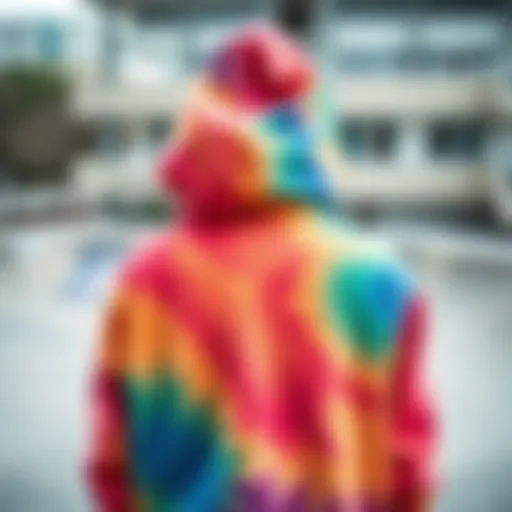
- Dyes and colors: Experimenting with tie-dye or fabric sprays to create a one-of-a-kind color pattern.
Each method offers endless possibilities. For instance, a tie-dyed beanie not only has a vibrant look but also reflects the carefree spirit of skateboarding, celebrating the joy of skate life. Additionally, consider incorporating asymmetry, which can yield even more dynamic designs; it's a statement of breaking the norms, quite fitting for any skateboarder.
Tools and Materials Needed
Before you dive into the world of DIY beanie customization, gathering the right tools and materials ensures a smooth crafting experience. Here’s what you’ll need:
- Basic supplies:
- Additional tools:
- Optional enhancements:
- Blank beanies (choose from knit or fleece)
- Fabric paints or permanent markers (multiple colors are a must!)
- Needles and thread for embroidery (visibility is key, so pick bright colors)
- Stencils for crisp designs
- Scissors for cutting patches or other fabric
- An iron for setting designs and ensuring they last longer
- Sew-on patches that can represent brands or personal artwork
- Feathers, beads, or other embellishments to add texture
With the creative tools at hand, each beanie becomes a unique artifact that reflects not just your skate style, but also personal memories and journeys. The key is to embrace the imperfections; after all, skate culture thrives on authenticity and originality.
Influence of Beanies in Other Subcultures
Beanies are not just a staple in skating but have also carved a niche in various other subcultures. From hip-hop to punk, the beanie has evolved from a simple headwear choice to a symbol of identity and camaraderie. This section seeks to explore the multifaceted influence of beanies across different cultural landscapes and their significance in today’s fashion.
Cross-Cultural Exchanges
In the tapestry of global fashion, beanies have traveled far and wide. Their adoption in different subcultures reflects a blend of influences that transcend borders. In hip-hop culture, for instance, artists have donned beanies as a statement of pride and an emblem of street style. Similarly, in the punk scene, the beanie serves as a nod to rebellion against mainstream fashion. This cross-pollination illustrates how accessories can convey messages that resonate beyond mere aesthetics.
Notably, social media plays a vital role in these exchanges, allowing cultures to share their styles and ideologies. Platforms like Instagram or TikTok have seen beanie-centric trends flourish, where the style not only speaks to individualistic expression but also to collective cultural identities. This digital landscape facilitates a swapping of ideas among diverse groups, resulting in a rich variety of styles that keep emerging.
"Fashion is what you’re offered four times a year by designers. And style is what you choose." – Lauren Hutton
In essence, the cross-cultural exchanges that involve beanies highlight our collective ability to adapt and incorporate elements from various cultural philosophies, thus making the accessory a representation of a unified, yet diverse, community.
Sharing Identity through Fashion
Fashion often serves as a mirror reflecting societal values, norms, and changes, and the beanie is no exception. This headwear signifies more than just a sense of personal style; it embodies beliefs and characteristics integral to various subcultures. In skating, for instance, wearing a beanie can denote allegiance to a community that prides itself on individuality while simultaneously affirming the thrill of the sport.
Moreover, beanies often facilitate a sense of belonging. Within the skateboarding community, it's not uncommon to spot groups of skaters all sporting similar beanie styles, signaling their shared passion. The casual yet community-driven vibe that a beanie emits allows individuals to communicate their identity without the need for words.
Investing in a unique beanie—be it through embroidery, patches, or even distinctive colors—gives skateboarders a platform for self-expression. From skaters in Los Angeles showing off their prized beanies to those in the underground scene of Amsterdam, the messages conveyed through this simple item of apparel manage to weave a rich narrative of personal and group identities.
In some ways, wearing a beanie becomes an act of solidarity. People latch onto the ethos of those who came before them—the pioneers of skate culture or the rebels of urban fashion—thus paying homage to historical currents that shape modern identity. The beanie becomes a unifying object, tying together shared stories and individual journeys within the broader narrative of subcultural movements.
As this accessory continues to make waves globally, it retains its significance not just in aesthetic terms but also as a vessel for carrying forward collective histories and experiences.