Hoodies and Sweatshirts: A Junior's Skate Culture Essential

Intro
In the vibrant world of skateboarding, where creativity meets gravity, the style narrative is often closely tied to the clothing worn by juniors participating in this dynamic culture. Among the many staples that skateboards and skaters hold dear, hoodies and sweatshirts stand out not just as sources of warmth but as integral components that encapsulate identity, aesthetic, and culture. This article delves into the layered significance of these garments, uncovering their history, evolution, and the distinctive traits that make them essential for young skaters.
It's no wonder that the appeal of hoodies and sweatshirts extends beyond mere comfort. For many young skaters, these pieces have come to symbolize rebellion, freedom, and camaraderie, all key elements of the skateboarding scene. As we traverse through the fabric types, fit considerations, and brand recommendations, a clearer picture emerges of how these seemingly simple garments have woven themselves into the very fabric of skate culture.
Skateboarding Techniques
Identifying the technical aspects of skateboarding is vital to understand the energy and movement involved, especially when juniors are getting started in their skate journeys.
Mastering the Basics
To lay the foundation, juniors need to grasp the basics of skateboarding. This includes the proper stance, how to push off, and the art of balancing on the board. A well-fitted hoodie provides the flexibility and comfort, essential for these initial movements. Moreover, opting for breathable fabrics is crucial to allow for moisture-wicking, keeping skaters cool during practice.
Advanced Tricks and Stunts
As skills progress, the techniques evolve. From ollies to kickflips, advanced tricks demand clothing that supports mobility. A lightweight hoodie can offer just that. The freedom to move becomes paramount as skaters push their boundaries, experimenting with different styles and techniques. When layered with a short-sleeve t-shirt, a hoodie can provide a balance of warmth and breathability as they transition from the park to street spots in varying weather conditions.
Gear and Equipment
Gear plays a vital role in skating, enhancing both safety and performance.
Skateboard Types and Features
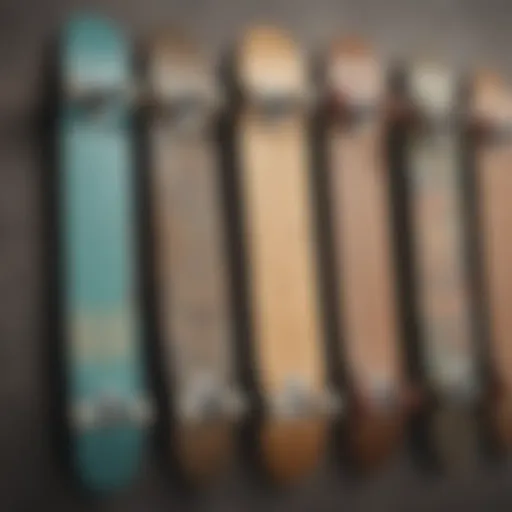
Choosing the right skateboard is fundamental, as different boards yield various experiences. Juniors often gravitate to wider decks that offer stability while learning, while more experienced skaters might opt for a slimmer board for technical tricks. Alongside the board, ensuring a comfortable outfit, including the perfect hoodie or sweatshirt, allows for better adaptability during challenging techniques. Potential skateboard options include brands such as Element, Santa Cruz, and Powell Peralta.
Essential Safety Gear
Before stepping onto the board, safety cannot be overlooked. Helmets, knee pads, and elbow pads form the essential line of defense against inevitable spills. Hoodies with reinforced seams can also be beneficial since they aid in protecting young skaters from minor scrapes while providing warmth.
Remember, style and safety can go hand in hand in skate culture.
In a broader context, understanding the socio-cultural relevance of hoodies and sweatshirts offers insight into why juniors are often drawn to these garments. As they navigate the world of skateboarding, these pieces serve as an expression of their identities, allowing for individualism while also offering a sense of belonging within the community.
The thrill of skateboarding, combined with the comfort and functionality of hoodies and sweatshirts, creates a perfect fusion of style and substance that resonates with young skaters everywhere.
Intro to Hoodies and Sweatshirts
Hoodies and sweatshirts play a pivotal role in the wardrobe of juniors engaged in skate culture. To many, these garments are more than just comfortable clothing—they are a means of expression and identity. With the evolution of skateboarding over the decades, apparel has morphed along with it, becoming a significant part of the lifestyle. This discussion is essential not only to understand the garment's appeal but also to appreciate the intricacies involved in their design and functionality specific to the skateboarding community.
Historical Context
The journey of hoodies and sweatshirts is steeped in history, tracing back to their roots in practical sports and workwear. Originally designed for warm-up routines, the first hoodies were crafted in the 1930s, aimed at athletes looking for comfort while maximizing motion. As time marched on, these functional pieces found their way into the wardrobes of the masses, eventually becoming symbols of rebellion and self-expression associated with youth culture. In the late 1970s and early 1980s, skate culture began to burgeon, and hoodies emerged as a staple among skateboarders. The focus shifted toward not only functionality but also style. Boards were no longer just tools for tricks but a canvas for artistic expression, much like the clothing worn by skaters.
The Rise in Popularity Among Juniors
The surge in popularity of hoodies among juniors lies closely intertwined with the growing influence of skate culture and social media. Juniors often seek to bind themselves to a community, and clothing like hoodies and sweatshirts act as a badge of association. With figures like Tony Hawk and streetwear brands proliferating the landscape, the hoodie transformed into a symbol of aspiration for youngsters. Notably, the versatility of these garments—offering warmth, ease of motion, and a cool edge—contributes to their enduring status among teens.
In contemporary settings, brands like Vans and Thrasher have firmly planted their logos within this demographic, appealing to aspirant skaters grappling with their identities. Designers are now blending functionality with edgy designs, catering to the nuanced tastes and ever-changing preferences of the youth. From vibrant colors to statement graphics, these garments continue to evolve while maintaining their essential role in skate culture.
Hoodies and sweatshirts embody resilience and comfort, reflecting the spirit of skateboarding itself—unpredictable, dynamic, and undeniably cool. Understanding their significance within this cultural sphere is paramount for anyone looking to delve deeper into the vibrant world of junior skating and beyond.
Functional Aspects of Skate Apparel
When discussing skate apparel, especially for juniors, functionality reigns supreme. It's not just about looking the part; it’s about how these garments perform in the heat of the action. Juniors need clothes that not only make a statement but also support their active lifestyle in the skateboarding world. In this section, we'll delve into material choices, the significance of breathability and flexibility, and how weather influences the designs tailored for young skaters.
Material Choices for Performance
The materials used in making hoodies and sweatshirts can dramatically affect comfort and functionality. Different choices cater to various needs like durability, breathability, and ease of movement. Let’s break it down.
Cotton
Cotton has been the go-to for many years when it comes to casual wear, especially in skate culture. It’s soft and breathable, which provides comfort during long sessions at the skate park. The key characteristic of cotton is its natural fibers, which allow the skin to breathe, reducing discomfort from sweat. However, one drawback is that pure cotton can absorb moisture quickly, leaving it damp. In high-energy activities, this can lead to an unwelcome chill when the action slows down. Despite this, many skate jerseys integrate cotton for its comfort, making it a popular yet nuanced choice for these apparel staples.


Polyester
Polyester steps in as a synthetic contender that’s taking the spotlight. Its notable feature is moisture-wicking, which pulls sweat away from the body, allowing it to evaporate more efficiently. This characteristic makes polyester a favored fabric for skaters who sweat it out. Additionally, it's durable, maintaining its shape and color even after multiple washes. Yet, it can be less breathable than cotton, which might leave some juniors feeling clammy on especially hot days. Thus, while polyester shines in performance, skaters might want to balance it with blends or layer it wisely.
Blends
Then we have fabric blends, which often combine cotton and polyester to harness the strengths of both. This unique feature allows for a soft feel while also benefiting from durability and moisture management. Such blends can be particularly appealing for young skaters. They find themselves in varied climates and activities, making versatility a prized element. The downside might be that not all blends are created equal, so it's essential to read the labels and understand what the fabric really offers.
Importance of Breathability and Flexibility
Breathability is crucial for skate apparel. When skating, the body exerts itself, raising temperatures and increasing sweat. If a hoodie traps heat, it can lead to discomfort that detracts from the overall experience. Therefore, a breathable fabric keeps juniors cool and dry, allowing them to focus on their tricks instead of fidgeting with fabric.
Flexibility is another non-negotiable factor. Skaters are constantly moving, pushing limits and bending in ways that require their gear to adapt. A snug fit isn’t just a fashion statement; it’s about preserving freedom in movement. Hoodie designs that allow stretch ensure that boards aren’t the only things that get flipped.
Weather Considerations
Wardrobe choices often hinge on weather conditions, especially for those immersed in skate culture. The right hoodie can make the difference between a great day on the board and an unforgiving experience.
Cold Weather
When temperatures drop, hoodies must step up. Cold weather necessitates thicker materials that offer insulation without compromising on movement. Skaters need to fend off chill while keeping an eye on layering; thick fabrics can restrict motion. Moreover, applying appropriate styles—like hoods with cinches and well-placed kangaroo pockets—ensures warmth along with utility. Juniors often opt for these features to keep their performance sharp even when the mercury sinks.
Spring and Fall
As seasons transition, kids need hoodies that can adapt—not too heavy yet warm enough to combat evening chills. Spring and fall bring unique challenges: fluctuating temperatures mean layering is essential. Lightweight, packable hoodies that can be easily stowed away are in demand. These allow skaters to adjust their clothing to the shifting weather, staying comfortable while practicing techniques.
By understanding these functional aspects, skaters can choose hoodies and sweatshirts that treat them right, serving both style and practicality. This balance is foundational for the young skate community, integrating their apparel into a lifestyle defined by action and expression.
Styles and Designs Popular Among Juniors
When it comes to skateboarding, style is not just an afterthought; it’s a crucial part of the culture. Hoodies and sweatshirts aren’t merely articles of clothing; they convey identity, lifestyle, and sometimes even status within the skating community. In the world of juniors, styles and designs play a fundamental role in shaping perceptions and fostering connections among peers. The fashions tend to evolve, begging the question: what designs resonate most with young skaters today?
Classic Designs vs. Trendy Variations
Classic designs have remained a safe bet for years, often rooted in simplicity. Think of a plain black hoodie with a small logo—it's timeless, versatile, and can be worn effortlessly on and off the board. But, as trends shift faster than a skateboard on a half-pipe, trendy variations have also come to dominate the scene. This may include unique cuts with asymmetrical hems or cropped silhouettes that appeal to a younger audience aiming for that stylish edge.
Young skaters are always on the lookout for what’s hot, which means brands are pushing the envelope with limited releases and exclusive designs. Collaborations with famous artists or iconic brands often lead to hoodies that become statement pieces, adding a layer of exclusivity that’s highly coveted. Consequently, it’s essential for juniors to find that balance between classic staples they can wear daily and trendy pieces that keep their wardrobe fresh.
Graphic Tees and Prints
Graphic tees and hoodies featuring bold prints or intricate designs are a cornerstone of skate culture. They allow juniors to express their personalities without uttering a single word. From hilarious graphics to poignant messages, wearing art is a way for skaters to signal their beliefs and affiliations. A hoodie adorned with a distinctive graphic can forge connections between like-minded individuals, showcasing shared interests or lifestyle choices.
Moreover, the rise of street art and graffiti has influenced these designs significantly. Hoodies often feature designs that mirror the very essence of urban living, capturing the vibrancy of skate culture. Wearing graphic tees with well-thought-out designs gives juniors the chance to stand out in a crowd, sending subtle messages about their identity and passions, such as environmental awareness or love for music.
Hooded vs. Crew Neck Options
When it boils down to practicality, both hooded and crew neck options bring something unique to the table. Hoodies offer the benefit of a built-in hood, providing extra warmth and protection against the elements, which is a real boon during spontaneous skate sessions or chilly evenings. Crew neck sweatshirts, on the other hand, often provide a more relaxed fit and can be easier to layer.
The choice can often boil down to climate and personal preference. For instance, in colder months, juniors might lean toward hooded options that deliver that extra layer of coziness. Nevertheless, crew necks might capture the hearts of those who favor a neater look or tend to run hot when they're on the move.
Ultimately, whether it's the casual comfort of a crew neck or the functional appeal of a hoodie, knowing the audience’s choice can make or break the purchase decision.
It's not merely about what looks good; it's about what feels right while you're on the board.
For more insights into skate culture and fashion, visit Wikipedia or engage with communities on Reddit.
Also, consider keeping an eye on social media influences. Twitter feeds and Instagram posts often spotlight rising trends worth leaning into.
Fit and Size Considerations
When it comes to selecting hoodies and sweatshirts for juniors within skate culture, fit and size cannot be brushed aside. They play a pivotal role in how these garments not only look but also feel during skateboarding sessions. The right fit can influence performance and comfort, both of which are essential for young skaters. As every skater has a distinct style, understanding various cuts and how they relate to body types can help juniors feel confident and unrestricted while skating.
Understanding Different Cuts
Loose Fit
Loose fit hoodies are often the go-to choice for many juniors in the skateboarding community. The key characteristic here is the ample room around the torso and sleeves, allowing for more freedom of movement. Given that skateboarding involves a lot of dynamic movements—jumps, flips, and fast turns—this style promotes comfort.
One of the standout features of a loose fit hoodie is its laid-back vibe. They don’t cling to the body, making them ideal for layering over other attire. However, one downside is that they can sometimes get caught on obstacles or interfere with arms during tricks. Still, the casual appearance and relaxed nature souvent seen in skate culture make them a popular choice.
Slim Fit
In contrast, the slim fit hoodie offers a more tailored look. Its snug structure hugs the body while providing enough stretch to allow for movement, making it a solid option for those who prefer a sharp, refined aesthetic.
The.trimmed look can enhance the skater's silhouette, complementing their vibe while also providing a good amount of functionality. However, a downside is that, when not made from flexible materials, it can restrict movement. This fit is great for those performance-focused individuals who might not mind a tighter feel but should be cautious not to go too snug as it might compromise comfort.
Athletic Fit
Athletic fit hoodies are designed with active individuals in mind, providing a balance between snug and loose. The key feature here is the tailored body with extra room in areas like the shoulders and chest. This configuration allows for a more defined and less baggy look while preventing any restriction where it matters most: the arms.
The unique aspect of athletic fit is how it combines performance with style. Juniors who are actively engaged in skating will usually appreciate this fit, as it promotes mobility without being overwhelmingly baggy. That said, it can sometimes cost a little more due to its specific design elements aimed at athletes.
Age and Body Type Relevance
When discussing fit, we can’t ignore the importance of age and body type. As juniors grow, their body shapes vary, from lanky teens to those who are building muscle and stature. Understanding one’s body type can significantly influence which fit works best and ensure they feel comfortable during their skating sessions.
Thus, when choosing between loose, slim, or athletic fits, young skaters and their parents should consider both the skate environment and the individual's physicality. A thoughtful approach to fit will not only enhance performance but also boost confidence on the board.
Brand Landscape in Juniors' Skate Apparel
The brand landscape plays a pivotal role in shaping the choices of juniors in skate culture. For young skaters, apparel often goes beyond mere fashion; it becomes an emblem of identity and belonging. As teenagers navigate their social lives and embrace their passions, the brands they gravitate towards can significantly influence their self-perception and community ties.
Understanding which brands resonate with this demographic is crucial for parents, retailers, and the skateboarders themselves. They’re not just seeking stylish attire; they’re looking for clothes that reflect their values, connect them with their peers, and offer durability for an active lifestyle. And let’s be honest, there’s a certain street cred that comes with sporting the "right" label. This landscape is filled with legacy brands, emerging labels, and everything in between, each catering to different segments of the young skater segment.
Leading Brands in Skate Culture
When we talk about leading brands, a few names immediately come to mind that have carved out a niche specifically for juniors engaging in skating. Brands like Element, Thrasher, and Volcom have stood the test of time, circulating in the skate community like a fresh pair of wheels on a skateboard.
- Element: Known for its eco-conscious approach, this brand produces clothes that are not just stylish but environmentally friendly. Their designs often incorporate nature-inspired graphics, appealing to a younger crowd that values sustainability.
- Thrasher: The iconic magazine turned apparel brand is synonymous with skater culture. Its logo is a badge of honor among youths who live and breathe skateboarding. Wearing Thrasher shows not just a preference but an affiliation with the skate lifestyle.
- Volcom: This brand blends skateboarding with surf culture, offering striking designs that aren’t just about skating but also about expressing an active, spirited life. Their logo often adorns both riders and supporters, uniting them in a shared ethos.
These brands not only provide clothing but also foster a sense of community. Collabs with well-known skaters further amplify their reach; for instance, the partnership between Element and professional skateboarder Nyjah Huston introduces unique collections that are eagerly anticipated by fans. This symbiotic relationship showcases just how integral brand identity is within skating.
Emerging Labels Gaining Traction
While historical brands hold their weight, emerging labels are also making waves in the skate community. These brands often offer fresh perspectives and innovative designs. Take RIPNDIP for example; they’re known for their quirky graphics and humorous motifs that appeal to a younger audience craving individuality.
- RIPNDIP: The playful designs and bold colors cater to juniors looking to stand out at the skatepark. With unique characters and offbeat themes, RIPNDIP has created a niche that feels approachable yet edgy.
- Yoke: This up-and-coming brand focuses on gender-neutral pieces, promoting inclusivity in skate culture. Their minimalist approach attracts those who appreciate subtlety but still want to showcase their skater identity without being over the top.
- Welcome Skateboards: With an artistic approach to graphics and a focus on storytelling, this brand captivates creative juniors. They don’t just sell clothes; they sell a narrative that resonates deeply with young minds eager to express themselves.
Emerging brands often offer the thrill of discovery. They feel more personal, almost like finding a hidden gem at a thrift store that suddenly becomes your favorite piece.
In summary, navigating the brand landscape in juniors' skate apparel is as much about style as it is about connection. Brands—be they well-established or rising stars—help shape the skater's identity, validating their interests and passions through apparel choices. For juniors in the skate scene, these brands are not merely clothes; they are symbols of their culture, their community, and their commitment to the sport.
Cultural Impact on Juniors
The cultural impact of hoodies and sweatshirts within junior skate culture cannot be underestimated. This section will shed light on how these garments transcend practicality, transforming into powerful tools of identity, unity, and social expression among the youth. Hoodies and sweatshirts are not merely items of clothing; instead, they serve as a canvas on which personal and collective stories are painted.
Identity Expression Through Apparel
When it comes to fashion choices, juniors often gravitate towards hoodies and sweatshirts that resonate with their personalities and subcultures. These garments have became associated with a sense of rebellion and authenticity. A skater frequently dons a hoodie not just because it offers comfort but also as a badge of their lifestyle. It's striking how a simple graphic or logo can denote a sense of belonging to a particular skater community.
Many local skate shops and brands like Supreme, Thrasher, and Baker embed meanings in their clothing through unique designs or statements. In fact, when a junior wears a specific brand or a certain graphic, it often signifies much more than mere style; it embodies their aspirations, social standings, and indeed, their identity. This identity expression is essential during the teenage years, when self-discovery is a focal point of life.
"Fashion is like a language, and what you wear can say so much without uttering a single word."
Community Spirit in Fashion Choices
In the world of skateboarding, the connection between community and fashion choices is profound. Hoodies and sweatshirts often foster a sense of camaraderie among juniors, who wear similar styles as a manifestation of their belonging. Skate parks turn into hubs where fashion serves as the unsung hero of social interaction. When one junior shows up in a popular skate hoodie, it can spark conversations, mutual interests, and even friendships.
The community spirit is amplified when skate teams or local crews adopt specific styles or colors, creating a visual identity that sets them apart from others. This not only promotes unity among peers but also encourages younger skaters to express themselves through their apparel. They feel a sense of pride wearing something that represents their crew or team, which ultimately deepens their engagement with both skate culture and the friendships they cultivate through it.
Furthermore, annual events and competitions often showcase unique hoodies or sweatshirts that come to symbolize the event or the skate community itself. Wearing these limited-edition items often becomes a way for juniors to showcase their support and participate in the culture surrounding skateboarding.
Sustainability and Ethics in Juniors' Clothing
As the conversation around sustainable fashion gains traction, skate culture is not exempt from its ripple effects. For juniors, the appeal of hoodies and sweatshirts goes beyond mere aesthetics. This article stresses the need for conscious choices when it comes to clothing, ensuring that style doesn't come at the cost of the environment. Each garment used by young skaters tells a story—not just of trends and self-expression but of the ethical fibers woven into them.
Eco-friendly Material Innovations
In recent years, innovation has catalyzed a shift toward more sustainable materials in juniors’ apparel. Fabrics made from recycled plastic bottles or organic cotton have risen to prominence. Brands are opting to use bamboo and hemp, which require fewer resources to grow, making them more appealing for eco-conscious consumers. Why does this matter? For young skateboarders, these materials not only provide comfort and durability but also align with their values.
Consider the benefits of these materials:
- Reduced Environmental Impact: The production of eco-friendly fabrics leads to lower greenhouse gas emissions.
- Breathability: Materials like organic cotton allow for better airflow, making them perfect for active movement on a skateboard.
- Reduction in Waste: By utilizing recycled materials, brands significantly lessen the amount of waste that could hit landfills.
This move towards responsibly sourced materials is not just a trend; it’s an essential step for the sustainability of skate culture as a whole. It’s a way for young skaters to communicate their commitment to protecting the planet without sacrificing style.
Responsible Manufacturing Practices
Manufacturing practices are at the core of ethical fashion. Brands focusing on juniors' clothing must place importance on how their apparel is made. Responsible practices encompass two integral components: labor rights and environmental stewardship. Some key practices include:
- Fair Wages: Garment workers should be compensated fairly for their labor, ensuring they can support themselves and their families. No junior skater should wear a hoodie made from someone else's suffering.
- Ethical Sourcing: Materials should be sourced without toxic dyes and harmful chemicals. This not only protects the environment but also promotes health among the consumers who wear the clothing.
Moreover, transparency in the supply chain helps build trust within the skate community. When juniors know where their clothes come from and how they were made, that connection can enhance their pride in wearing those garments.
"Sustainable fashion is more than a trend; it's a movement towards a better future."
Encouraging responsible choices among brands not only nurtures a positive image but also fosters a culture of accountability that juniors find attractive and worthwhile. From the material selections down to manufacturing choices, each decision reflects a commitment to ethical values that resonate well with this dynamic youth demographic.
Care and Maintenance of Hoodies and Sweatshirts
Taking care of hoodies and sweatshirts is like finding the right grip tape for your board—essential for longevity and performance. In the world of skate culture, where these garments often take center stage, proper maintenance can't be overlooked. A well-maintained hoodie not only looks good but also supports the lifestyle of active juniors who rely on their apparel for comfort and utility. Here, we dive into the nitty-gritty of washing, drying, storing, and preserving these staples.
Washing and Drying Guidelines
Having a routine when it comes to washing hoodies and sweatshirts goes a long way in keeping them fresh. Here are some valuable tips to keep in mind:
- Use Mild Detergents: Opt for detergents that are gentle and free of harsh chemicals. This helps preserve the vibrancy of prints and colors.
- Cold Water Wash: Wash in cold water to prevent shrinkage and fading. Hot water can ruin the fabric and alter its fit.
- Turn Inside Out: Before tossing hoodies in the wash, flip them inside out. This minor step helps protect any graphics or prints from abrasion during the cycle.
- Avoid Fabric Softeners: While they make clothes smell nice, fabric softeners can negatively affect the moisture-wicking capabilities of tech fabrics, leading to discomfort during wear.
- Air Dry Whenever Possible: If you're not in a hurry, air drying is the way to go. It helps maintain the fabric shape and reduces wear from tumbling in the dryer. If you use a dryer, opt for a low heat setting and remove your apparel while it’s still slightly damp to prevent stiffness.
By following these guidelines, you're not just keeping your hoodie or sweatshirt clean—you’re investing in a piece of apparel that can withstand the rigors of skate life.
Storing and Preservation Tips
Just as you wouldn't leave your skateboard out in the rain, you don’t want to carelessly store your hoodies and sweatshirts either. Here are some storage tips that make all the difference:
- Keep in a Cool, Dry Place: Avoid damp areas as moisture can cause mold or musty odors. A closet or drawer works best.
- Fold, Don't Hang: Hanging can distort the shape of your hoodie overtime, especially in the shoulders. Instead, fold them neatly to maintain their original form.
- Use Breathable Storage Bags: If you're stowing away your favorites during off-seasons, consider using cotton or canvas bags rather than plastic. This allows the fabric to breathe and avoid trapped moisture.
- Avoid Direct Sunlight: Storing in a dark place keeps colors vibrant. Direct sunlight can cause fading and wear on prints.
Ultimately, simple, mindful storage practices will not only enhance the lifespan of these items but also keep them looking fresh for the next skate session.
Proper care extends the life of your favorite skate wear—think of it as a solid investment for your active lifestyle.
Final Thoughts on Selecting Hoodies and Sweatshirts
When it comes to jumping on a skateboard, there’s more to the gear than just the deck and wheels. Hoodies and sweatshirts have carved their domain within the world of skate culture. This section wraps up this conversation, highlighting why the right choice in hoodies and sweatshirts can elevate not just comfort and performance, but also personal expression.
Balancing Style and Functionality
Selecting the perfect hoodie or sweatshirt isn’t solely about looking good—though, let's be honest, looking fresh is part of the deal. It's crucial to integrate both style and functionality into the decision-making process. A hoodie may turn heads with its vibrant graphic, but does it hold up against the chill when you’re skating in the evening air? Likewise, a functional piece should not only accommodate your movements without restriction but also resonate with your personal aesthetic.
- Comfort is Key: Choose materials that feel good against the skin and provide enough stretch for those sudden tricks.
- Look for Features: Zip pockets? Adjustable hoods? These little things matter when you're out and about.
- Personal Style: Don’t shy from your tastes. Pick a design that speaks to you—be it minimalist or vibrant.
In the end, it’s about finding that sweet spot where style meets practicality. When your gear reflects who you are while serving its purpose effectively, that is a winning combination.
Navigating Personal Preferences
Personal preference plays a huge role in the selection process for hoodies and sweatshirts. Every skater has their own vibe, and knowing what suits you best can be a game changer.
- Fit: Some prefer oversized fits that offer more freedom, while others might lean towards more fitted styles for a sleeker look.
- Color Scheme: Bright colors might be your jam, or you may feel more comfortable with earth tones – whatever you decide, your choice should represent you.
- Brand Ethics: For many, the values of a brand are as important as the design. Supporting brands that prioritize sustainability and ethical practices could be a deciding factor.
Ultimately, remember that every choice reflects a piece of who you are. It’s about curating a wardrobe that not only performs well on the skate park but also resonates with your true self.
"Hoodies aren't just articles of clothing; they're canvases of identity."
With these considerations in mind, take your time finding that hoodie or sweatshirt that encapsulates your spirit while making you feel both comfortable and stylish on the board.